
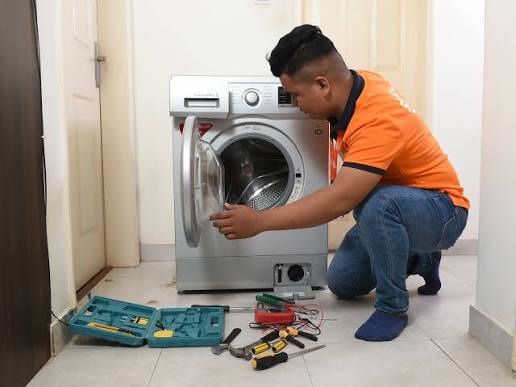
Ask ten property owners in Nairobi what facility management means and you will likely get ten different answers. Some think it is cleaning and security. Others assume it is the same as calling a technician the moment the air conditioning stops working. Neither answer is wrong exactly, they are just describing pieces of something bigger.
Facility management is the coordinated upkeep of everything that keeps a building functional: electrical systems, plumbing, HVAC, appliances, fire safety equipment, and the general condition of the space itself. Done properly, it is less about reacting to problems and more about preventing them before they cost money or disrupt operations.
For a Kenyan business, this matters more than it might elsewhere. Power fluctuations are common, water pressure varies by estate, and equipment often works harder in the heat and dust than the manufacturer’s brochure assumes. A facility management partner who understands local conditions, not just the spec sheet, is the difference between a fridge that lasts eight years and one that dies in three.
What Facility Management Actually Covers
A proper facility management arrangement typically includes:
- Scheduled inspections of electrical, plumbing, and mechanical systems
- Preventive servicing of appliances and HVAC equipment
- Emergency call-out response when something fails
- Digital reporting so you know exactly what was checked and what needs attention
- Vendor coordination, so you are not juggling several contractors for one building
Some providers bundle in security, cleaning, and landscaping too, but the technical side is the core of it. For a fuller breakdown of what is typically included in a Nairobi contract, see what a facility management service in Nairobi usually covers.
Not Just for Large Corporates
There is a persistent idea that facility management is only for office towers and shopping malls. In practice, a five-unit apartment block, a restaurant, or a small clinic benefits just as much, arguably more, since a single equipment failure hits a smaller operation harder. A walk-in fridge failing at a restaurant in Kilimani does not just cost repair fees, it costs stock and possibly a night’s revenue.
This is why more Kenyan SMEs are moving from calling someone when something breaks to structured maintenance plans. The reasoning is simple: a quarterly inspection costs a fraction of an emergency call-out, and it catches small issues, a loose electrical connection, a slow leak, a compressor running hot, before they turn into expensive ones.
Getting Started
If you are weighing whether to formalise facility management for your property, the practical next step is a walkthrough. A technician assesses your electrical, plumbing, and appliance systems, flags anything urgent, and gives you a realistic sense of what a maintenance schedule should look like for your specific building.
Primal Facilities Management runs these assessments across Nairobi, from Karen and Kilimani to the CBD and Kiambu’s industrial parks, covering everything from appliance repairs to full electrical and plumbing work. Our maintenance service page breaks down what a structured plan typically includes and what it costs.